

Oracle audits come with very little notice. Many companies only start checking compliance after receiving the audit letter. At that point you lose negotiation power and you also lose time. The good news is that most audit risks can be found and fixed long before Oracle calls. Here is a simple way to prepare.
Know where Oracle is installed
Create one inventory. List every server, every virtual machine, and every cloud instance that runs Oracle products. Include test, development, disaster recovery, and old systems that are still accessible. If Oracle can discover it, you must know about it first.
Understand your license model
Check each environment and confirm the correct license type. Many companies mix Named User Plus and Processor without a clear plan. When that happens you pay more than needed. Record the license model for every system and confirm that your contract covers the way you use Oracle.
Count real users
Do not rely on estimated numbers. Check actual connections. Include service accounts and integration accounts. These accounts often create unexpected exposure.
Verify processor counts
Processor licensing is the largest risk. Confirm physical cores for each host and apply the correct Oracle core factor. A small error here can create very large gaps. Review hardware changes because a hardware refresh can increase your license requirement overnight.
Review active options
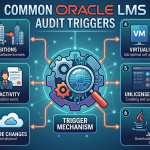
Enterprise Edition enables many options through configuration settings. Teams often activate features without realising they are licensable. Review all active options and remove what you do not use. Most exposure comes from features that no one knew were active.
Check virtualisation
Oracle does not accept many soft partitioning methods. This is the most misunderstood area. Review your virtualisation and cluster design. Confirm the licensing rules apply to your architecture before you expand or migrate.
Inspect standby and backup
High availability is good for operations yet risky for licensing. If a standby database is open or used for reporting you need licenses. Review every standby and confirm how it is used.
Watch cloud instance size
Cloud instances grow over time. A larger instance means more licenses. Match each instance with your licensing plan. Right size early and keep a record of size changes.
Control communication
If Oracle contacts you, reply through one internal owner. Keep records of everything you send. Share only the information required for the audit. Never provide broad system access without a legal review.
Run periodic reviews
Do not wait for an audit. Review your environment at least every quarter. Check installations, user counts, cores, options, virtualisation, cloud usage, and standby setups. Fix small issues before they become expensive.
Why this matters
When an audit starts you have limited time and limited room to negotiate. Preparation protects your budget and gives you control. A clean environment is easier to defend and easier to negotiate.
AKoft provides independent Oracle license reviews. We identify exposure, explain the impact, and give you a clear remediation plan. You should pay for what you use or need, not more.

3 Comments
buy antibiotics for sinus
buy antibiotics for sinus
buy antibiotics for sinus
furosemide 40 mg tablet
furosemide 40 mg tablet
furosemide 40 mg tablet
akoftadmin
Hi There